
Records Behind a Covina Resident Lookup
Name the fact that needs checking before choosing a source. An assessor parcel can connect a person or entity to land, but it does not prove who lives there. A court index can show a party role and case status. A vital record can confirm an event for an eligible requester. Business and license records add a public role or filing address.
Los Angeles County and California custodians divide the work. The Los Angeles County Assessor Portal is the practical start for a known Covina address or AIN. Court, vital, voter, and state-license questions use different access paths.
| Record | What It Confirms | Where | Access |
|---|---|---|---|
| Assessment parcel | AIN, situs, assessed owner when displayed, mailing distinction | LA County Assessor | Address or AIN; owner display can be restricted |
| Superior Court case | Party name, role, filing, status, disposition when entered | CourtConnect | Online, kiosk, or clerk copy; some name access may charge |
| Voter registration | Authenticated status, district, and election information | California My Voter Status | Self-lookup; broader files follow Elections Code 2194 |
| Vital record | Birth, death, marriage, or dissolution event facts | CDPH Vital Records or LA RR/CC | Informational or authorized copy rules |
| Business or license filing | Entity role, agent, license status, or public address | California bizfile and DCA | Free searches; certified orders follow portal rules |
A known name calls for a date, role, address, or organization. A known address calls for an AIN, then a cautious owner-to-record bridge. Family history calls for event records, probate, newspapers, and yearbooks rather than a forced current-address claim.
Court Checks for a Covina Resident Lookup
Los Angeles Superior Court cases connected with Covina belong to the county system. The nearby West Covina Courthouse serves some matters, but venue and case type can send a case elsewhere. CourtConnect and the Find a Case gateway support case-number, courthouse calendar and department, and Name searches for a person or organization.
Same-name work needs care. Keep two surnames, maternal and paternal order, compound names, married and maiden names, initials, and transliterations. Compare middle initials, date, parcel, business, attorney, relative, and courthouse. A name hit is not a criminal-history report, and an allegation is not a disposition.
| Mode | Field | Record to preserve |
|---|---|---|
| CourtConnect | Case Number | Number, courthouse, type, date, and status |
| CourtConnect | Courthouse Calendar and Department | Date, department, courthouse, and judicial officer |
| CourtConnect | Name, Person or Organization | Exact spelling, role, case number, and date range |
| Case Summary | Case Number and Filing Courthouse | Docket events, hearings, disposition, and image link |
Results may show the caption, filing date, party roles, register-of-actions events, hearings, department, judicial officer, and disposition. Addresses may sit inside filed documents instead of the web summary. Juvenile, adoption, sealed, confidential dependency, and parts of family-law files have narrower access.
Online access is only one route. Courthouse self-service kiosks and clerk copies remain available, and an older file may require an archive or retrieval request. Federal matters follow a separate route; PACER case guidance explains the federal system. California Courts explains the online-versus-courthouse distinction. Preserve:
- Case number, caption, filing courthouse, case type, date, and status.
- Party names and roles, including plaintiff, defendant, petitioner, respondent, decedent, or creditor.
- Docket events, hearing dates, department, judicial officer, and entered disposition.
- Any document image or address, labeled as filed material rather than a web-summary fact.
The California Courts case lookup guidance is the source for the court-access distinction.
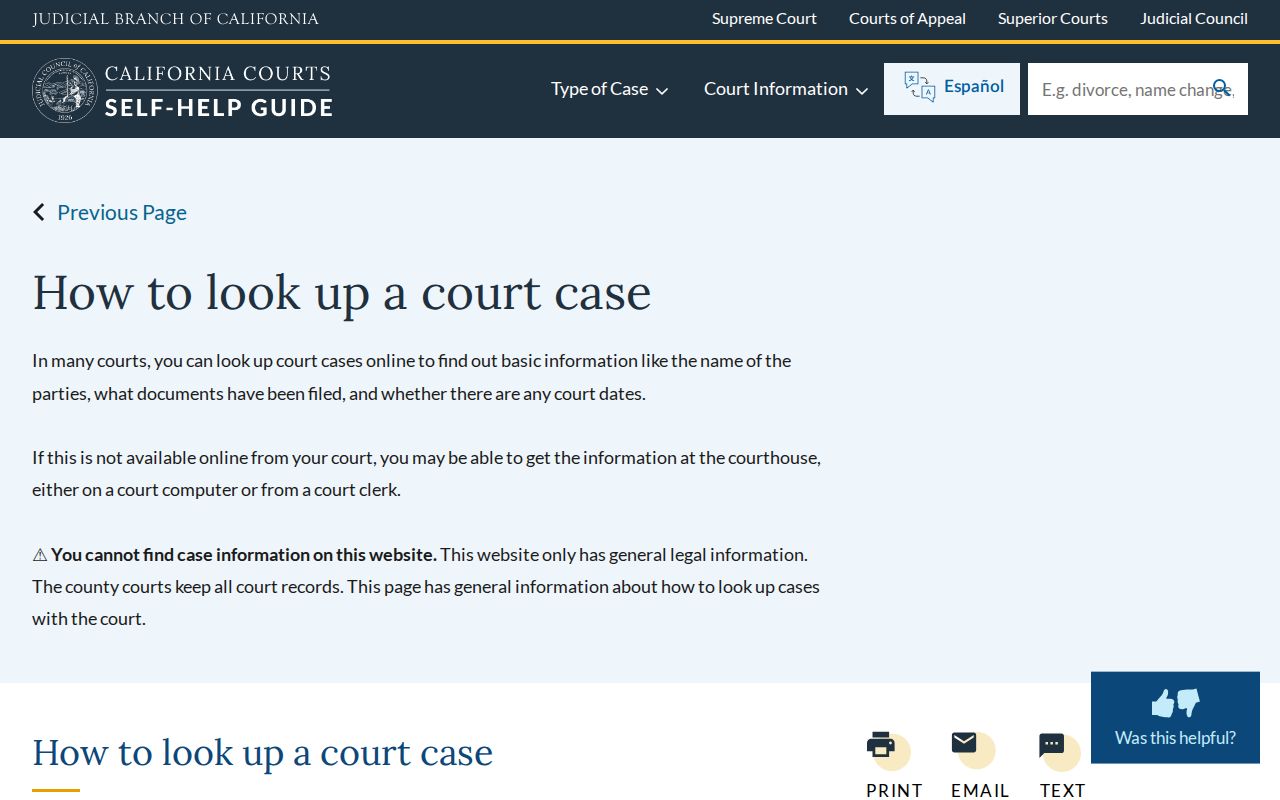
A result can point to a record without authorizing disclosure of restricted material.
Covina Resident Records: Ownership, Voter, and Residence
Assessor and residence are different questions. Search the assessor by address or AIN, save the situs, legal description, displayed owner, and mailing distinction, then stop short of claiming a complete household. Los Angeles County RR/CC indexes deeds by grantor, grantee, and recording year, not street address or APN. Use the assessor as the identity bridge, then the recorder's name-and-year process. Exploratory index viewing is at Norwalk; known copies can be ordered in person, by mail, or online.
A situs is the physical parcel. A mailing address is where notices go. An AIN connects map and assessment tools. A legal description uses tract, lot, or block identity. Those clues can support ownership research, but they do not prove occupancy. The RR/CC indexing rules explain why a street address alone cannot find a deed.
California My Voter Status is a self-check using name, date of birth, and the live form's identity field. It may return status, party preference, registration address, precinct or district, vote-by-mail status, and participation history. Government Code 7924.000 exempts voter information from ordinary CPRA disclosure. Elections Code 2194 controls permitted election, scholarly, journalistic, political, and governmental uses. A broader file requires a permitted-use declaration, fee, and review through county election records, not a public street browse.
Note: A parcel is evidence about land and a title party; a resident record needs separate evidence for a person and a present address.
Covina Resident Vital Copies and 2026 Fees
Los Angeles County RR/CC and California Department of Public Health Vital Records handle birth, death, marriage, and dissolution records. California has no single 100-year or 50-year opening rule for modern certificates. Copy type, eligibility, confidentiality, and the record category control access.
| Record | Informational route | Authorized route | 2026 fee |
|---|---|---|---|
| Birth | Informational certified copy, with protected material withheld | Eligible requester and sworn statement | $31 |
| Death | Informational certified copy generally available | Eligible requester for authorized copy | $26 |
| Public marriage | Informational copy route | Eligible requester under state and county rules | $19 |
| Confidential marriage | Not a general public copy | Party or court order under Family Code 511 | $19 county schedule |
| Dissolution | CDPH certificate for qualifying years | Superior Court copy rules for the decree | $18 |
RR/CC offers in-person, mail, online, and telephone ordering. CDPH forms go by mail with a U.S. bank check or money order, not cash. The fee remains a search fee if no record is found. Authorized birth, death, and marriage copies can require eligibility and a notarized sworn statement. Informational copies warn that they do not establish identity. Adoption birth files remain sealed absent a statutory or court process.
Note: An informational copy can support family history, but it does not replace an authorized copy needed for identity use.
Covina Resident Business and License Checks
California Secretary of State bizfile Online searches an entity name or file number. Basic and advanced modes can use entity type, group, status, and initial filing date. Results may show entity name and number, formation date, status, jurisdiction, street or mailing address, agent for service, statement due date, officers, directors, members, managers, filing history, and plain filing PDFs. Search and ordinary PDFs are free without an account; certified orders require the portal's order path.
DCA License Search adds board, license type or number, business name, first name, last name, and registry number. Results may show licensee, issue and expiration dates, status, address of record, and public discipline. A blank result can mean the wrong board, because some categories use separate state sites. Neither portal proves a Covina home.
The California business search is the direct route for an entity-linked name.
The filing view separates an officer, manager, agent, or entity from an unrelated same-name person.
Covina Resident Heir, Classmate, and Family Trails
Probate is a lawful heir trail. Search a Los Angeles Superior Court probate case by decedent name, inspect the petition, notices, representative, orders, and named heirs, then follow any successor deed. A named heir is not automatically the person who received property.
For a birth parent or adoptee, California adoption and mutual-consent or court processes control. Sealed original birth records are not bypassed by a general request. For a former classmate, ask the Covina Public Library, Covina-Valley Unified, Charter Oak Unified, alumni groups, or the historical society about yearbooks. Student records are protected. Obituaries, newspapers, cemetery records, and probate can bridge an old address to relatives or organizations.
Keep the date and source for each clue. A directory or obituary can suggest a relationship, while a vital record, court file, or deed may confirm a different part of the trail. Use public contact routes and stop before exposing a protected address.
The California Megan's Law Website is a separate public-safety lookup with its own restrictions.
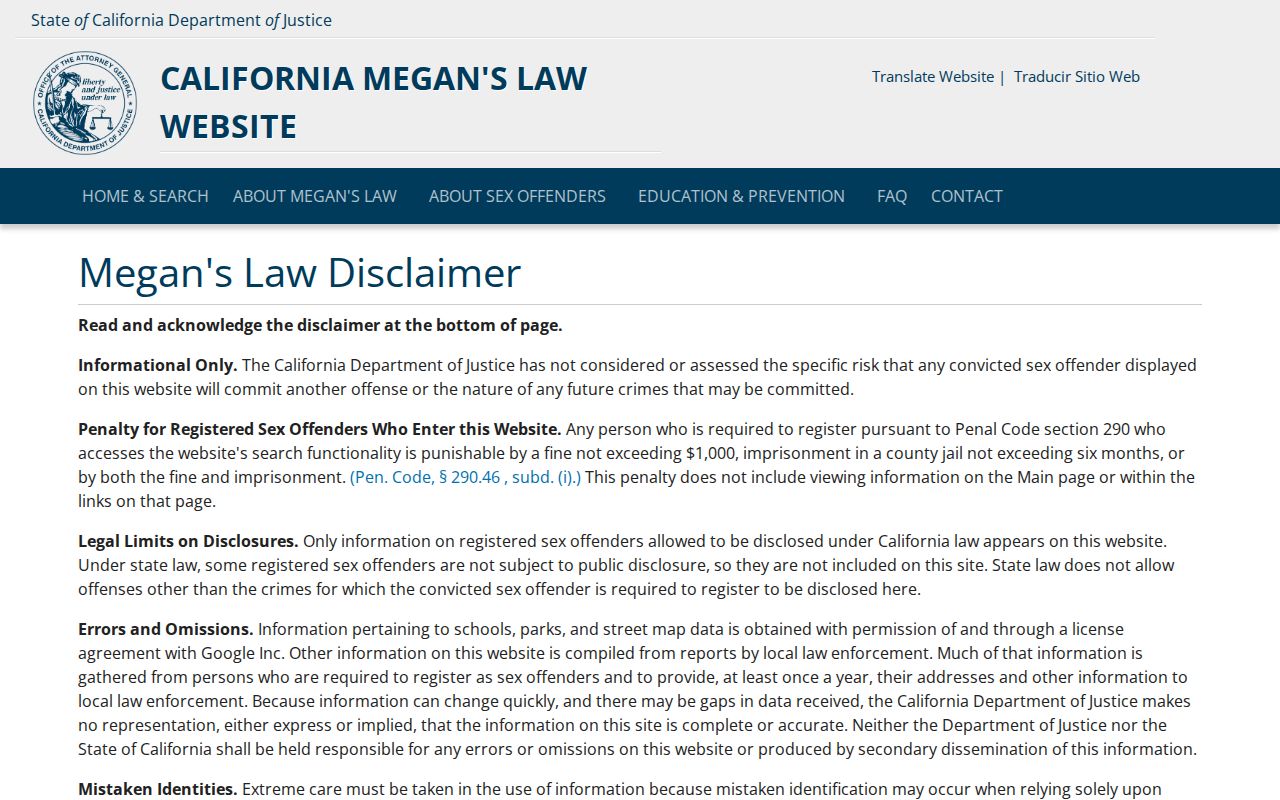
It is not proof of identity, present residence, or conduct beyond the official information shown.
For a state custody question, the CDCR incarcerated-person locator can search a name or CDCR number, while California VINE information serves a separate victim-notification purpose. Neither is a parcel or resident roll.
CPRA Requests for Covina Resident Records
Covina's Public Records page links to Laserfiche, council records from 1980 forward, and building permits searchable by street address. Permit, planning, code, and legislative files can identify an applicant, contractor, parcel, or affected address, subject to redaction. Birth, death, marriage, deed, and court records go to their own county or state custodians.
The city form accepts mail, email, or in-person requests. Give contact details, an existing-record description, date range, department, subject, address, permit, or parcel when known. Ask for inspection or copies. Covina says it will make a determination within 10 calendar days, with an unusual-circumstances written extension of up to 14 days. Inspection is generally free; copies can cost direct duplication charges.
- Name the existing record and custodian, rather than asking an agency to create a person profile.
- Use the narrowest address, parcel, permit, case, department, and date details available.
- Correct an assessor, docket, recorder, or license error with the office that created it.
CPRA is a fallback for an identifiable file. It does not create a public list of Covina residents.
Privacy Boundaries on a Covina Resident Lookup
Voter files, sealed court material, vital records, DMV information, utility data, school data, and private association lists have separate limits. A blank result may mean restricted access, not that a person is absent. Public deeds and court indexes can be corrected with their custodians, but a general deletion request does not erase an accurate public record.
Safe at Home, under Government Code 6205-6216, gives eligible participants a substitute mailing address and confidential-voter protection. Government Code 6208.1 restricts publishing a participant's home address, telephone, or image in specified situations. The Secretary of State describes enrollment and protections in its Safe at Home FAQ.
Lawful personal use. A Covina resident lookup is for family history, reconnecting, civic research, and ordinary personal verification. Do not use records to stalk, harass, threaten, or intimidate anyone. California Penal Code 646.9 and 653m, plus Civil Code 1708.7, address stalking and repeated harassing contact.
Verify with the custodian before relying on a match, respect a protected address, and stop when the record does not support the conclusion.